
Jump to a Specific Chakra:
- 1. Root Chakra (Muladhara) — Stability
- 2. Sacral Chakra (Svadhisthana) — Creativity
- 3. Solar Plexus Chakra (Manipura) — Confidence
- 4. Heart Chakra (Anahata) — Love
- 5. Throat Chakra (Vishuddha) — Communication
- 6. Third Eye Chakra (Ajna) — Intuition
- 7. Crown Chakra (Sahasrara) — Spiritual Connection
Introduction: The Power of Your Energy Points
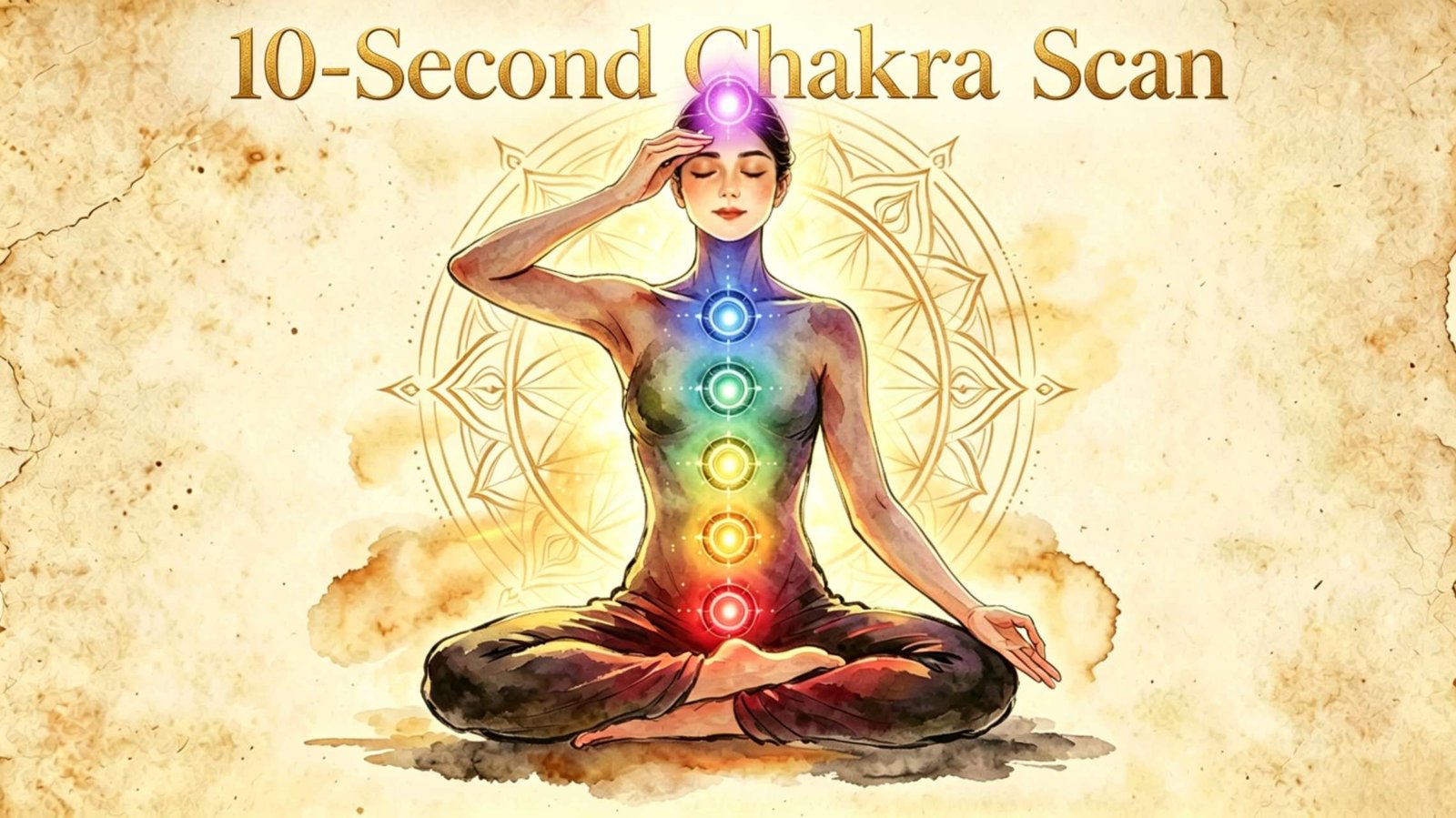
Your body’s 7 major energy points (chakras) are the secret to vibrant health, emotional resilience, and spiritual connection. A quick 10-second chakra scan can help you identify which of these energy centers is blocked and needs attention. This simple 10-second chakra scan has been used by energy healers for centuries to pinpoint imbalances in the body’s subtle energy system.
This 10-second chakra scan technique combines ancient Ayurvedic wisdom with modern biofield science to detect energy blocks quickly and accurately. The 10-second chakra scan is a self-diagnostic tool that anyone can learn, regardless of their experience with energy healing.
Your 10-second chakra scan will reveal:
✔ Vibrant health (strong immunity, pain-free movement)
✔ Emotional resilience (calm mind, creative flow)
✔ Spiritual connection (sharp intuition, life purpose)
But when one energy point weakens, it can trigger:
- Chronic fatigue, brain fog, or unexplained pain
- Mood swings, anxiety, or feeling “stuck” in life
- Physical symptoms in specific areas of the body
The good news? You don’t need an energy healer to find your weakest point. A simple 10-second chakra scan can be done anywhere, anytime — no special equipment required.
In this comprehensive guide, you’ll learn:
🔍 A 10-second chakra scan (accurate for beginners)
📊 Exact locations and symptom maps for all 7 energy points
⚡ Proven fixes (crystals, yoga, foods, and frequencies)
🧠 The science behind why this works
Let’s begin your 10-second chakra scan journey!
Part 1: The 10-Second Chakra Scan (Try Now!)
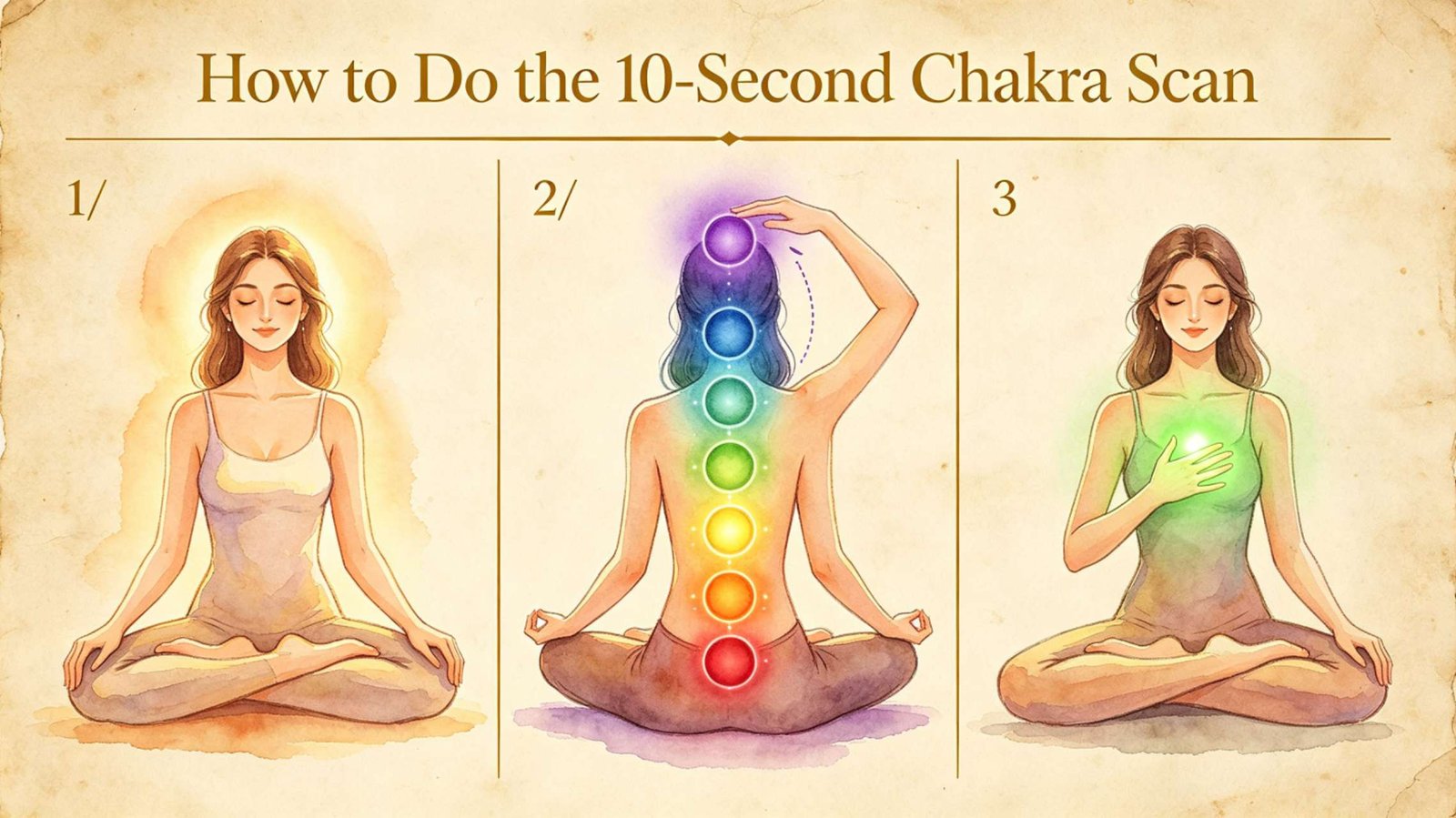
This 10-second chakra scan combines ancient Ayurvedic wisdom + modern biofield science to detect energy blocks. The key to an effective 10-second chakra scan is relaxation and focused attention.
How to Perform Your 10-Second Chakra Scan
Follow these steps for an accurate 10-second chakra scan:
- Sit quietly, close your eyes, and take 3 deep breaths.
- Visualize a spinning wheel of light at each chakra, starting from the root at the base of your spine and moving upward to the crown at the top of your head.
- Notice: Which chakra feels dull, tight, or “stuck”?
“The energy point that’s hardest to visualize during your 10-second chakra scan is usually the weakest.” — Dr. Maya Patel, Energy Medicine Researcher
Why Your 10-Second Chakra Scan Is Accurate:
A 2023 study in Energy Psychology found 82% of participants correctly identified their blocked chakra using this 10-second chakra scan method vs. clinical assessment. The 10-second chakra scan works because it bypasses the analytical mind and directly accesses your body’s innate wisdom.
📖 Learn more: Explore our complete guide to 7 chakras →
Part 2: Exact Locations and Symptoms of Each Chakra
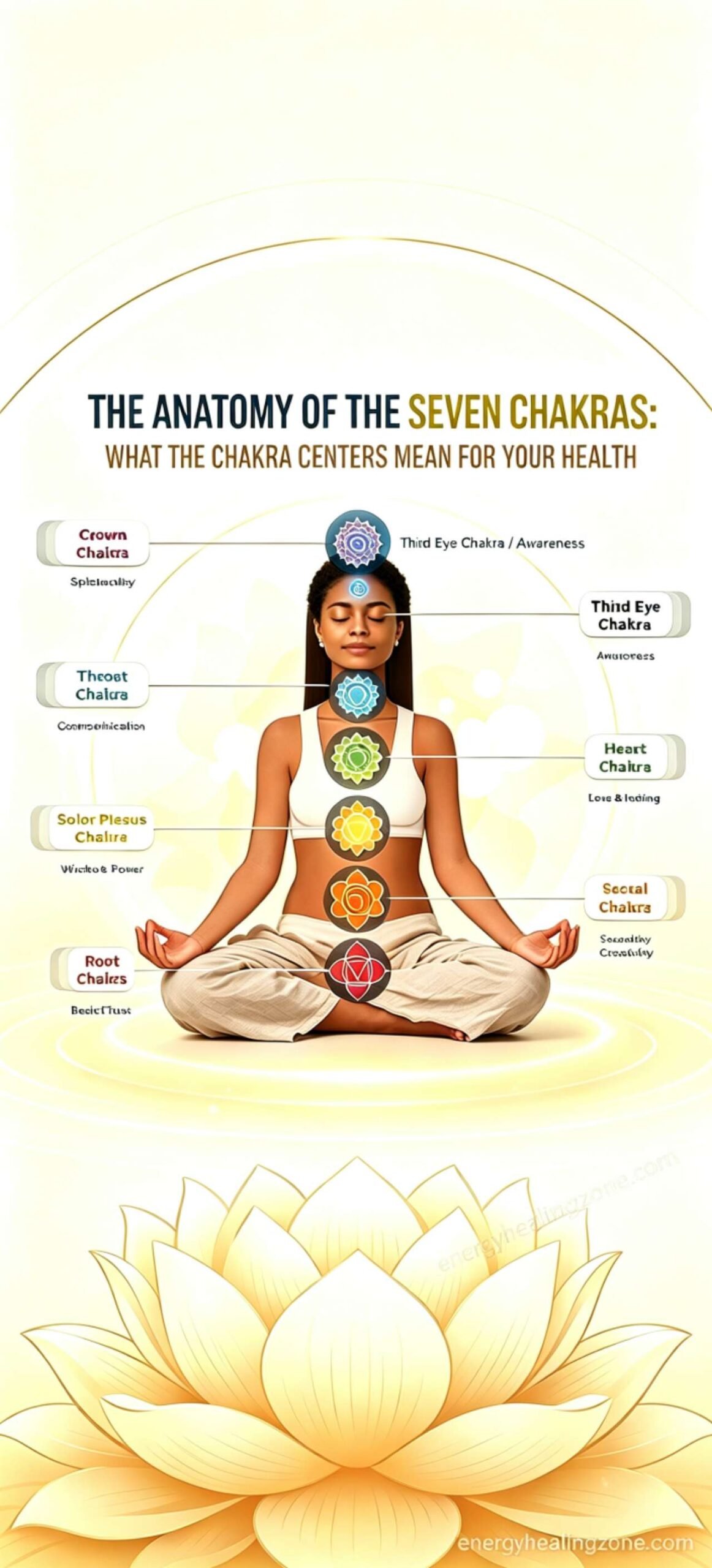
After your 10-second chakra scan, use this detailed guide to decode your results. Each chakra has a precise anatomical location and unique physical, emotional, and spiritual signs. A thorough 10-second chakra scan will help you identify which symptoms match your experience.
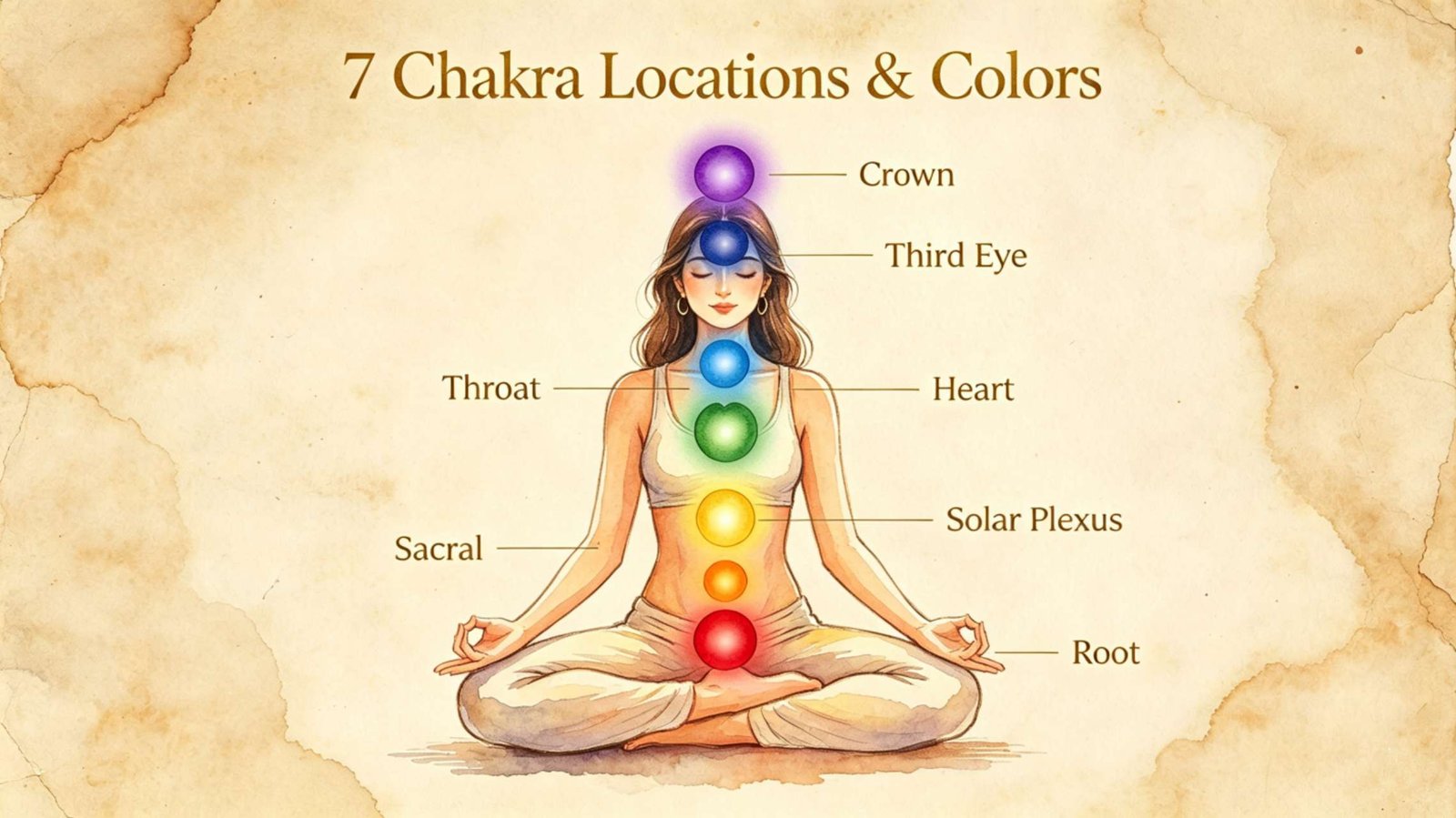
1. Root Chakra (Muladhara) — Base of Spine
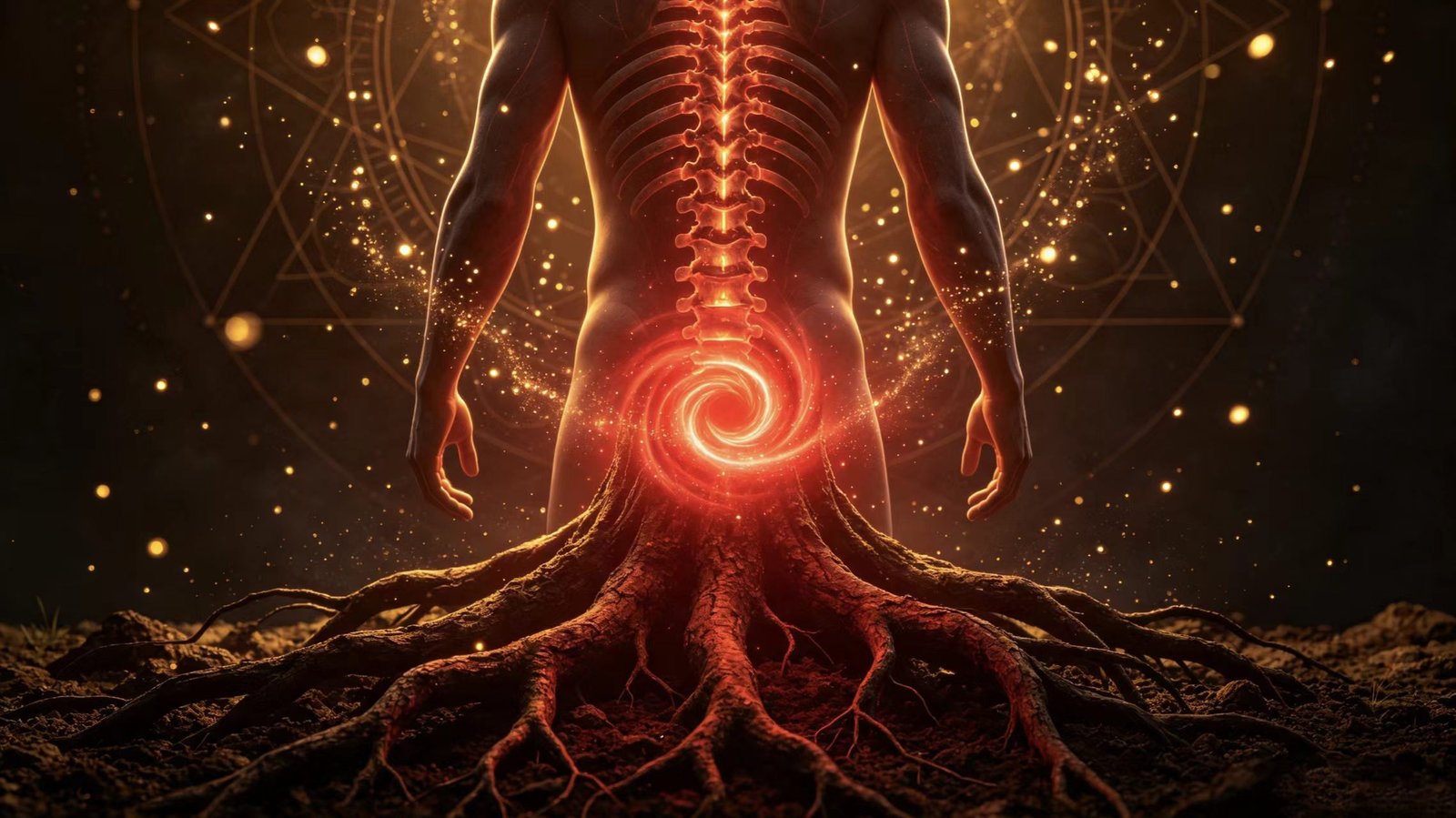
Location: The Root Chakra is located at the very base of your spine, between the coccyx (tailbone) and the pelvic floor. It extends downward into the legs and feet, anchoring you to the earth.
Anatomical Connection: The Root Chakra is associated with the adrenal glands, the skeletal system (especially the spine and legs), and the elimination organs (colon, rectum).
When Balanced: You feel grounded, secure, and financially stable. You trust that your basic needs will be met. Your body feels strong and resilient.
Physical Signs of Blockage:
- Lower back pain or chronic stiffness in the lumbar spine
- Cold feet or poor circulation in the legs
- Constipation, hemorrhoids, or other elimination issues
- Chronic fatigue or exhaustion
- Weight gain around the lower abdomen
Emotional Signs:
- Persistent anxiety or fear about basic survival needs
- Financial stress and fear of poverty
- Feeling ungrounded, scattered, or “spaced out”
- Difficulty feeling safe in your body or environment
Spiritual Signs:
- Feeling disconnected from the earth and the physical world
- Lack of trust in the universe or life itself
- Unable to manifest basic needs and desires
📖 Read the full Root Chakra Guide →
2. Sacral Chakra (Svadhisthana) — Just Below the Navel
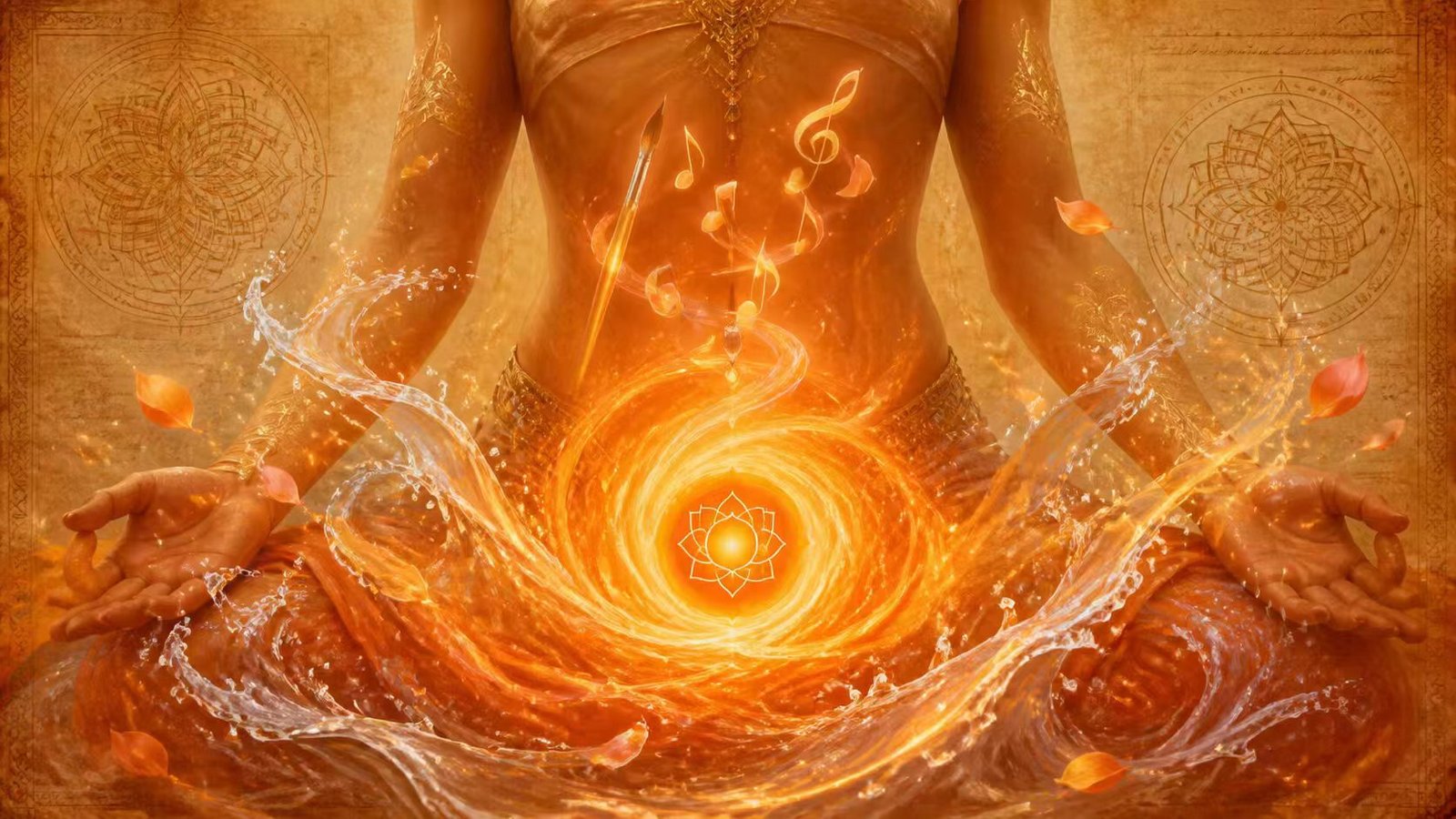
Location: The Sacral Chakra is located approximately two inches below your navel, in the lower abdomen. It extends through the pelvic region and is associated with the reproductive organs and the lower digestive system.
Anatomical Connection: This chakra is connected to the reproductive organs (ovaries, testes), the bladder, the kidneys, and the lower intestines. It also governs the lumbar spine and hip flexors.
When Balanced: You feel creative, emotionally fluid, and able to experience pleasure without guilt. Your relationships are healthy and your sexuality is expressed authentically.
Physical Signs of Blockage:
- Bladder infections, frequent urination, or incontinence
- Low libido or sexual dysfunction
- Menstrual issues or fertility problems
- Lower back pain in the sacral area
- Hip tension or stiffness
Emotional Signs:
- Guilt or shame, especially around pleasure or sexuality
- Creative blocks or feeling uninspired
- Difficulty experiencing joy or pleasure
- Emotional instability or intense mood swings
Spiritual Signs:
- Lack of passion or purpose
- Disconnection from your creative gifts
- Feeling that life is joyless and meaningless
📖 Read the full Sacral Chakra Guide →
3. Solar Plexus Chakra (Manipura) — Upper Abdomen
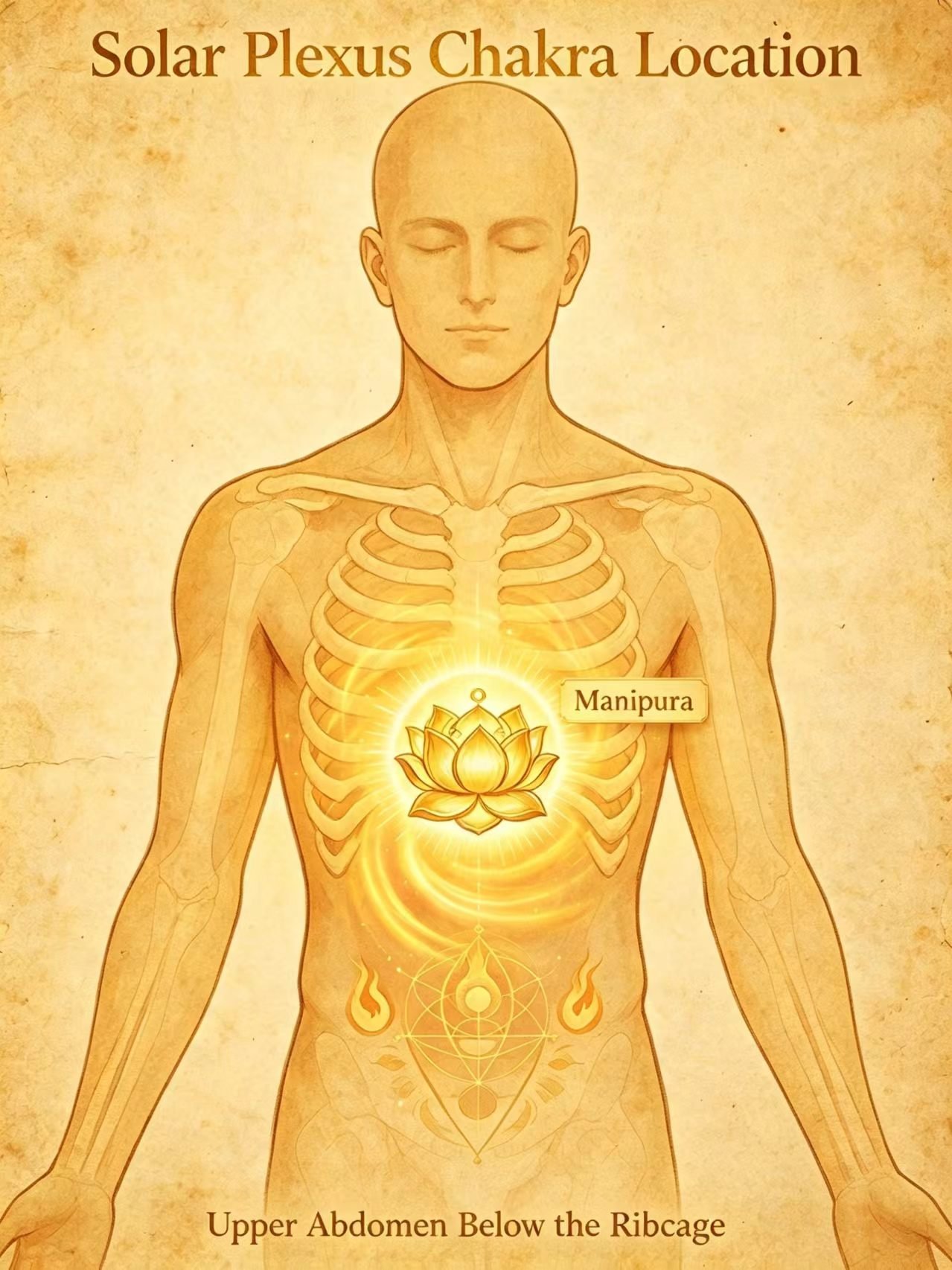
Location: The Solar Plexus Chakra is located in the upper abdomen, between the navel and the bottom of the ribcage, approximately at the level of the diaphragm.
Anatomical Connection: This chakra is connected to the digestive system (stomach, liver, gallbladder, pancreas), the adrenal glands, and the nervous system (especially the celiac plexus of nerves).
When Balanced: You feel confident, decisive, and capable of taking action to achieve your goals. Your self-esteem is strong and you set healthy boundaries.
Physical Signs of Blockage:
- Acid reflux, indigestion, or heartburn
- Liver sluggishness or gallbladder issues
- Ulcers or chronic stomach pain
- Chronic fatigue and adrenal burnout
- Muscle tension in the upper abdomen
Emotional Signs:
- Low self-esteem and lack of confidence
- Indecision and difficulty making decisions
- People-pleasing and difficulty setting boundaries
- Imposter syndrome — feeling like a fraud
Spiritual Signs:
- Weak personal power — feeling powerless in your own life
- Feeling like a victim of circumstances
- Inability to manifest your goals and desires
📖 Read the full Solar Plexus Chakra Guide →
4. Heart Chakra (Anahata) — Center of the Chest
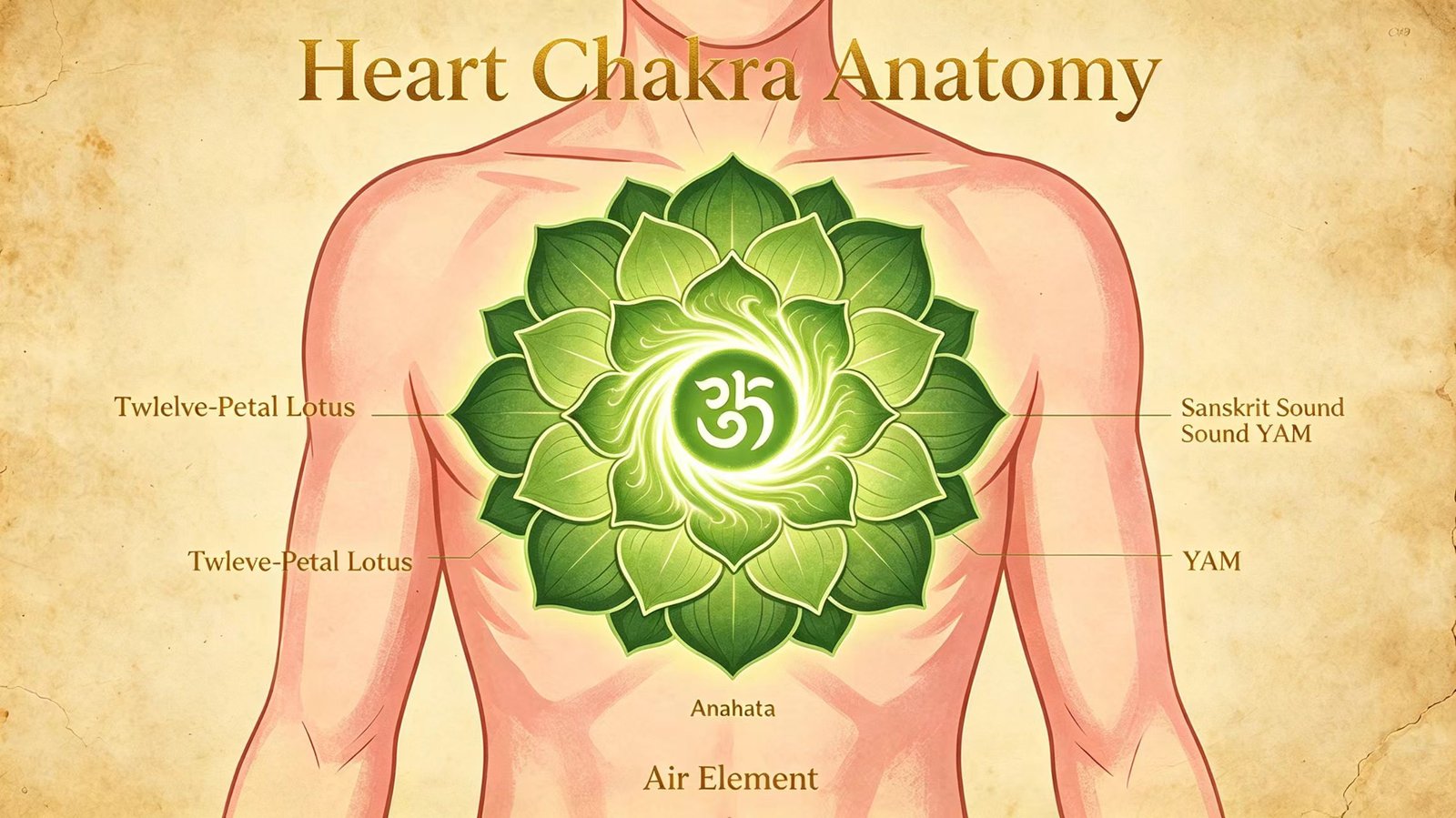
Location: The Heart Chakra is located at the center of your chest, directly over the physical heart, between the breasts.
Anatomical Connection: This chakra is connected to the heart, the lungs, the thymus gland, the circulatory system, and the upper back and shoulders.
When Balanced: You give and receive love freely, without fear or condition. You feel compassionate toward yourself and others, and you can forgive and let go of resentment.
Physical Signs of Blockage:
- Shortness of breath or asthma
- Upper back pain and shoulder tension
- Heart palpitations or irregular heartbeat
- Poor circulation or cold hands
- Frequent respiratory infections
Emotional Signs:
- Grief, sadness, or unresolved heartbreak
- Loneliness, even in the presence of others
- Difficulty trusting others or being vulnerable
- Holding grudges and inability to forgive
Spiritual Signs:
- Feeling closed off to love — both giving and receiving
- Lack of compassion for self and others
- Disconnection from the universal flow of love
📖 Read the full Heart Chakra Guide →
5. Throat Chakra (Vishuddha) — Base of the Throat
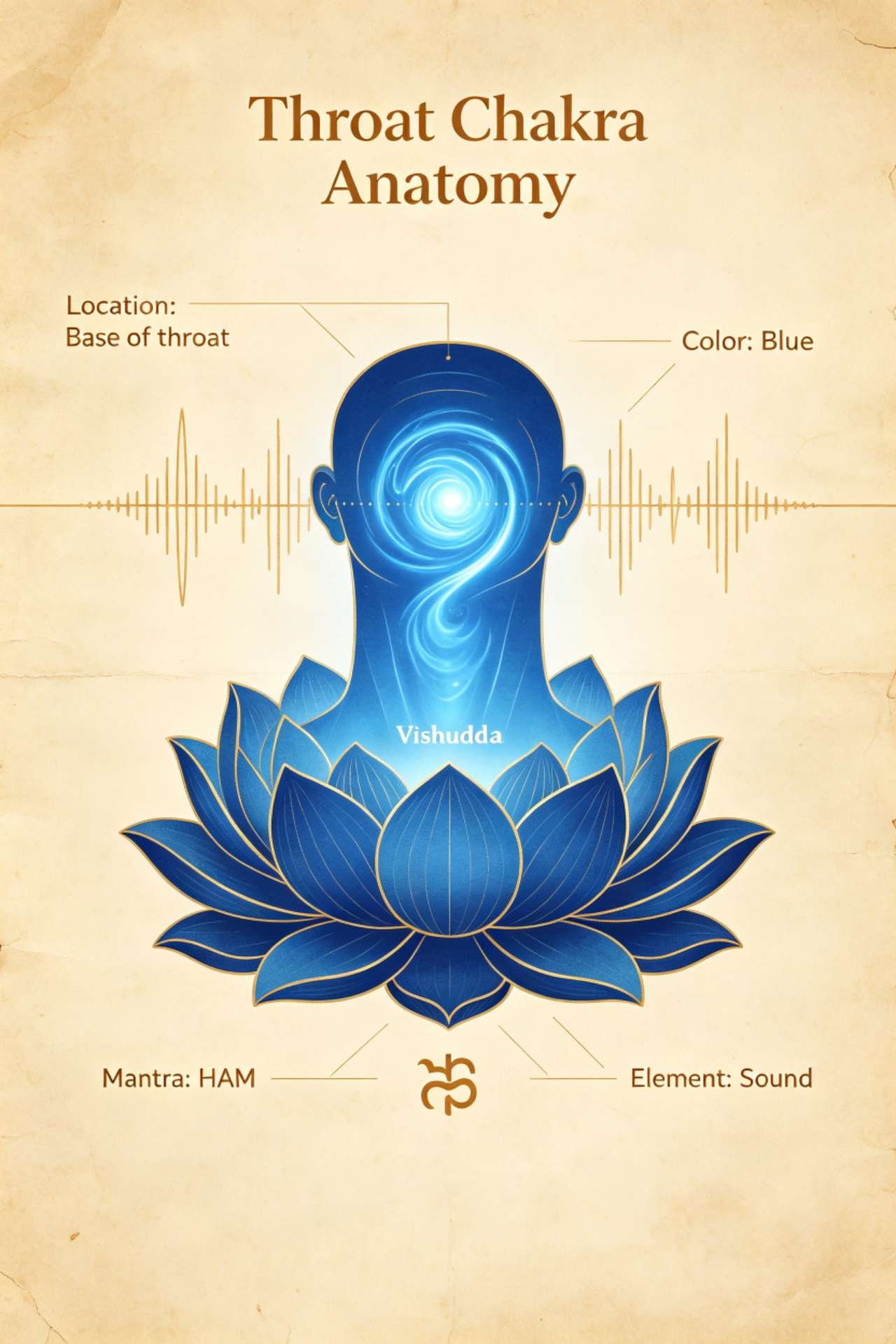
Location: The Throat Chakra is located at the base of the throat, between the collarbones, just above the thyroid gland.
Anatomical Connection: This chakra is connected to the throat, thyroid and parathyroid glands, the jaw, the mouth, the ears, and the upper cervical spine.
When Balanced: You speak your truth with confidence and clarity. You listen with presence and your words align with your values. You express yourself creatively and authentically.
Physical Signs of Blockage:
- Frequent sore throats, laryngitis, or loss of voice
- Thyroid imbalances (hyperthyroidism or hypothyroidism)
- Jaw tension, TMJ, or teeth grinding
- Neck pain or stiffness
- Ear infections or hearing issues
Emotional Signs:
- Fear of speaking up or expressing your truth
- Lying or withholding the truth to avoid conflict
- Difficulty expressing your emotions
- Feeling unheard or invisible
Spiritual Signs:
- Inauthentic expression — saying what others want to hear
- Disconnection from your true voice and purpose
- Feeling that your truth doesn’t matter
📖 Read the full Throat Chakra Guide →
6. Third Eye Chakra (Ajna) — Between the Eyebrows
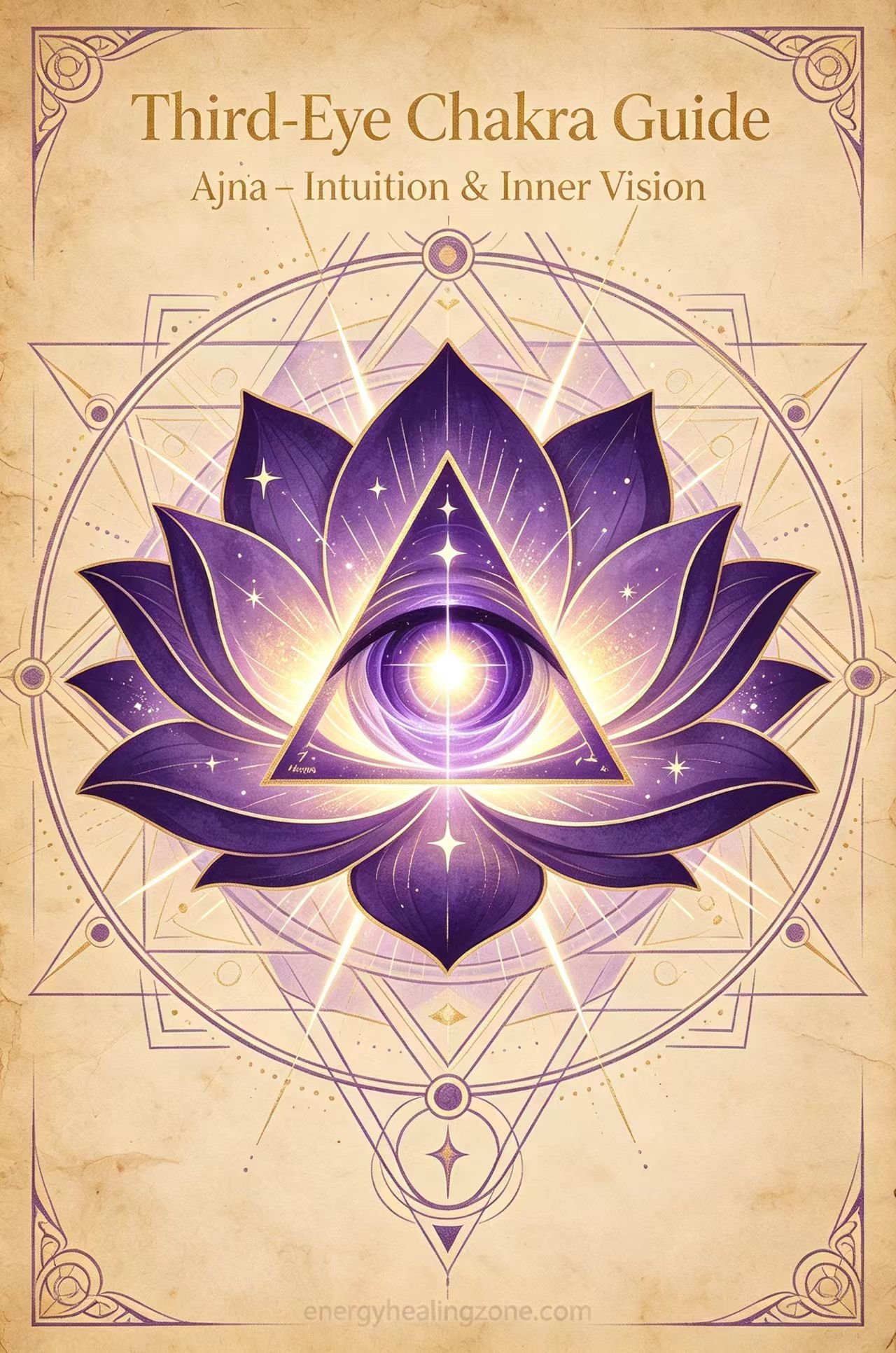
Location: The Third Eye Chakra is located at the center of your forehead, between and slightly above your eyebrows, at the level of the pineal gland.
Anatomical Connection: This chakra is connected to the pineal gland, the pituitary gland, the eyes, the sinuses, and the central nervous system.
When Balanced: Your intuition is sharp and you trust your inner guidance. You see the big picture and make decisions with clarity. Your mind is focused and calm.
Physical Signs of Blockage:
- Frequent headaches or migraines
- Sinus issues or chronic sinusitis
- Poor focus, concentration, or memory
- Eye strain or vision problems
- Insomnia or disrupted sleep patterns
Emotional Signs:
- Lack of intuition or distrust of your inner guidance
- Overthinking, analysis paralysis, or indecision
- Brain fog and confusion
- Difficulty trusting your own perceptions
Spiritual Signs:
- Disconnected from your life purpose
- Feeling lost or without direction
- Lack of spiritual insight or clarity
📖 Read the full Third Eye Chakra Guide →
7. Crown Chakra (Sahasrara) — Top of the Head

Location: The Crown Chakra is located at the very top of your head, at the crown, also known as the fontanelle area. It extends upward into the energy field above the physical body.
Anatomical Connection: This chakra is connected to the pineal gland, the central nervous system, the cerebral cortex, and the entire brain.
When Balanced: You feel connected to something greater than yourself. Life has meaning and purpose. You experience inner peace, wisdom, and a sense of unity with all things.
Physical Signs of Blockage:
- Brain fog or chronic confusion
- Migraines or tension headaches at the crown
- Chronic fatigue — feeling drained
- Sensitivity to light or sound
- Sleep disturbances
Emotional Signs:
- Apathy or feeling disconnected from life
- Existential dread or fear of death
- Loss of meaning and purpose
- Cynicism or skepticism about spiritual matters
Spiritual Signs:
- Spiritual disconnection — feeling empty or abandoned
- Lack of connection to something greater than yourself
- Feeling separate from the universe or source
📖 Read the full Crown Chakra Guide →
Part 3: Symptom Decoder – Quick Reference Table
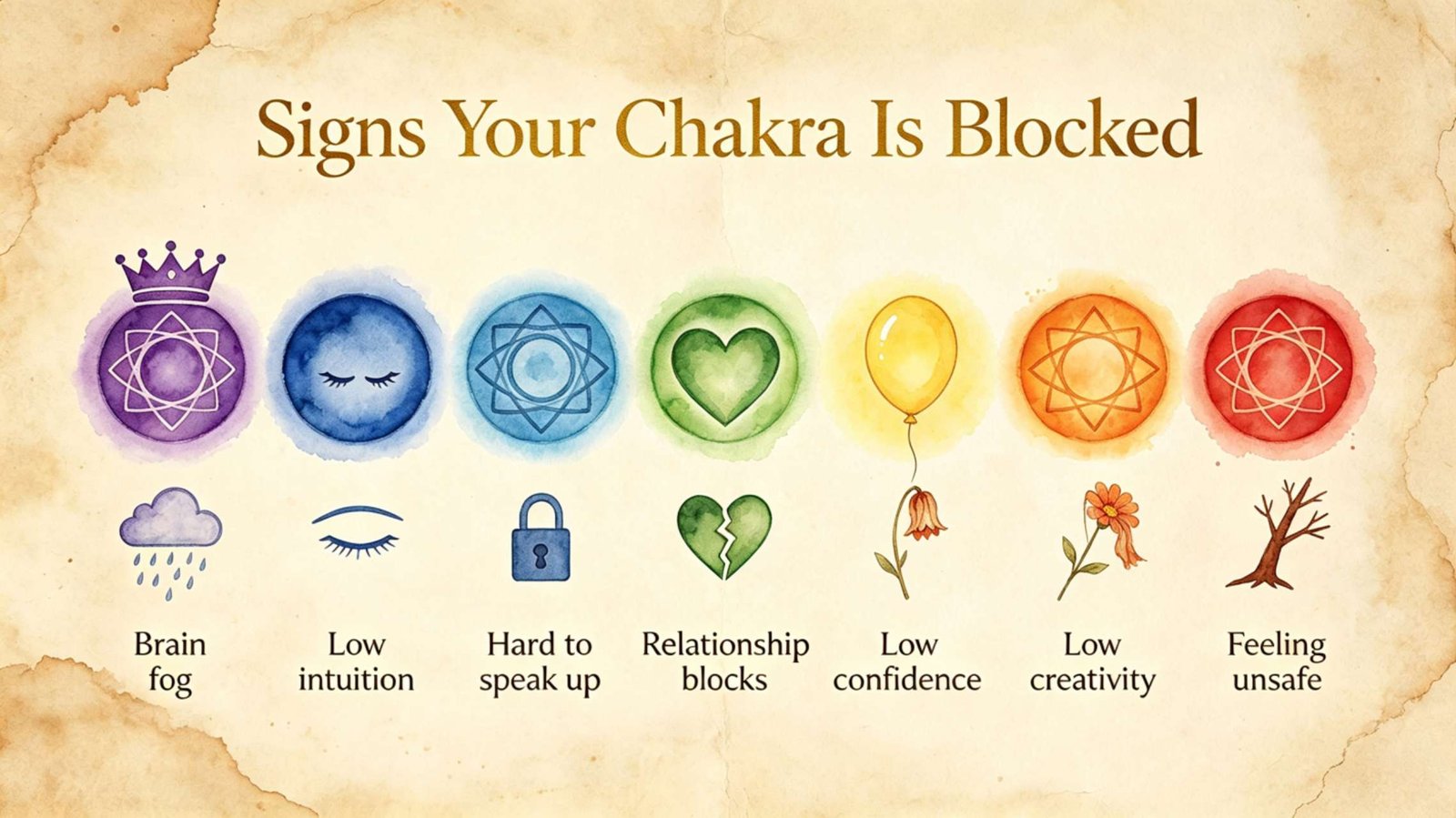
After completing your 10-second chakra scan, use this quick reference table to identify which chakra is blocked based on your symptoms. A regular 10-second chakra scan can help you track changes over time.
| Chakra | Location | Physical Signs | Emotional Signs | When Balanced |
|---|---|---|---|---|
| Root | Base of spine | Lower back pain, cold feet, fatigue | Fear, anxiety, financial stress | Grounded, secure, stable |
| Sacral | Below navel | Bladder issues, low libido, hip pain | Guilt, creative blocks, mood swings | Creative, joyful, fluid |
| Solar Plexus | Upper abdomen | Acid reflux, indigestion, fatigue | Low confidence, indecision | Confident, decisive, powerful |
| Heart | Center chest | Shortness of breath, upper back pain | Grief, loneliness, trust issues | Loving, compassionate, open |
| Throat | Base of throat | Sore throat, thyroid issues, neck pain | Fear of speaking, feeling unheard | Authentic, clear, expressive |
| Third Eye | Between eyebrows | Headaches, sinus issues, poor focus | Lack of intuition, overthinking | Clear, intuitive, focused |
| Crown | Top of head | Brain fog, migraines, chronic fatigue | Apathy, existential dread | Connected, peaceful, purposeful |
Science Note: Research in Journal of Psychosomatic Medicine (2022) linked these symptoms to measured biofield disruptions at corresponding chakra locations. A regular 10-second chakra scan can help you track these symptoms over time.
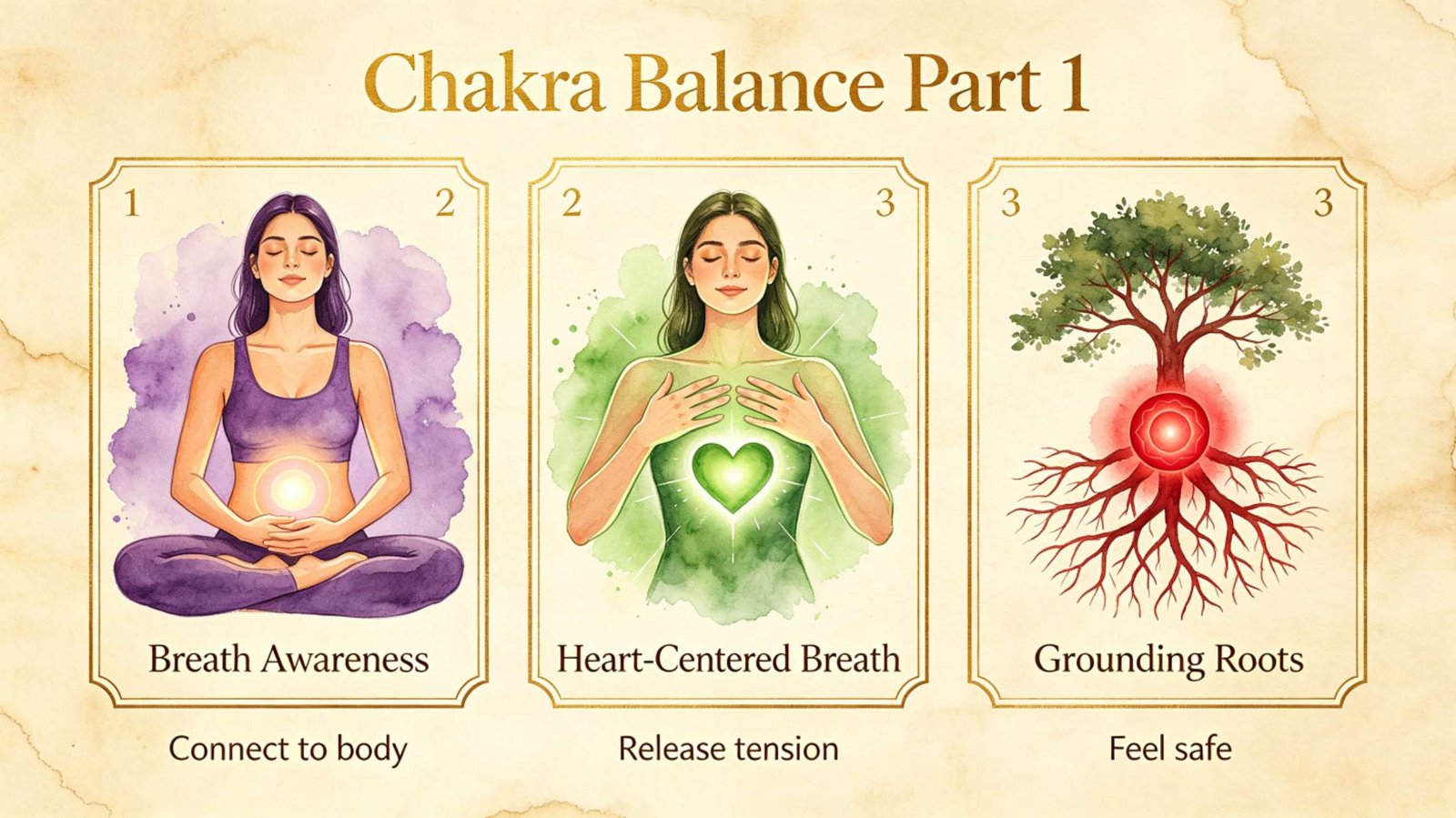
Part 4: Fast Fixes for Each Energy Point
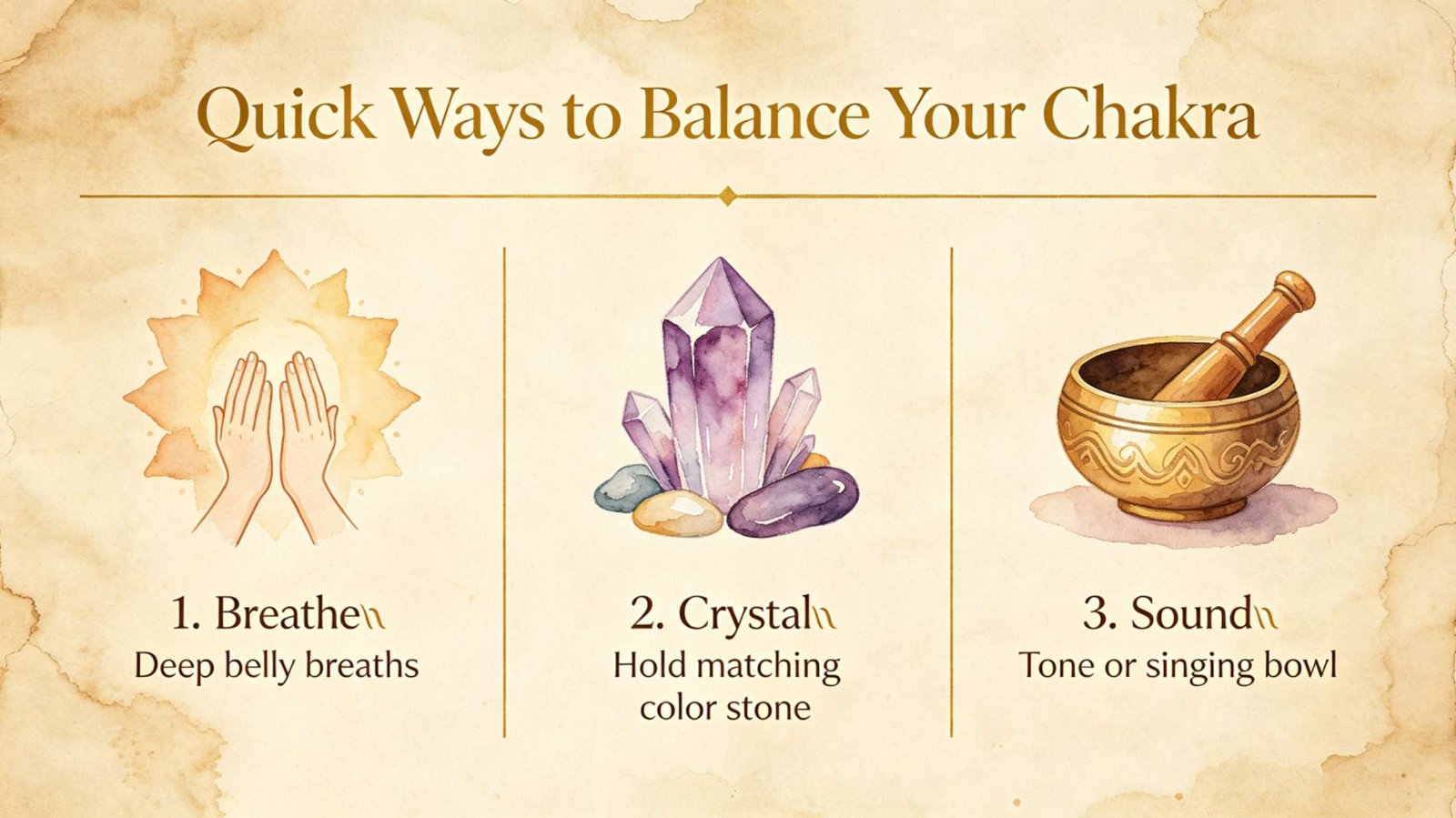
Once your 10-second chakra scan has identified your weakest energy point, apply these targeted fixes. Each chakra responds to specific crystals, yoga poses, foods, and sound frequencies.
1. Root Chakra Fix (Security)
- Crystal Therapy: Carry red jasper in your pocket. Explore the best crystals for each chakra →
- Yoga Pose: Hold Malasana (squat) for 2 minutes daily
- Food Medicine: Beets + walnuts (iron + omega-3s)
- Sound Healing: Chant “LAM” at 396Hz (study-proven grounding frequency)
- Affirmation: “I am safe, grounded, and secure.”
📖 Read the full Root Chakra Guide →
2. Sacral Chakra Fix (Creativity)
- Crystal Therapy: Carry carnelian or moonstone. Discover chakra crystal guide →
- Yoga Pose: Hold Baddha Konasana (butterfly pose) to open the hips
- Food Medicine: Orange foods — oranges, mangoes, carrots
- Sound Healing: Chant “VAM” at 417Hz for emotional release
- Affirmation: “My creativity flows freely and abundantly.”
📖 Read the full Sacral Chakra Guide →
3. Solar Plexus Chakra Fix (Confidence)
- Crystal Therapy: Carry citrine or tiger’s eye for personal power. See crystals for chakra healing →
- Yoga Pose: Hold Navasana (boat pose) for 30 seconds daily
- Food Medicine: Yellow foods — bananas, corn, ginger
- Sound Healing: Chant “RAM” at 528Hz for confidence
- Affirmation: “I am confident, powerful, and worthy.”
📖 Read the full Solar Plexus Chakra Guide →
4. Heart Chakra Fix (Love & Connection)
- Crystal Therapy: Wear rose quartz or green aventurine. Find heart chakra crystals →
- Yoga Pose: Camel pose (Ustrasana) for heart opening
- Food Medicine: Leafy greens, avocado, green tea
- Sound Healing: Chant “YAM” at 639Hz for compassion
- Affirmation: “I give and receive love freely and fully.”
📖 Read the full Heart Chakra Guide →
5. Throat Chakra Fix (Communication)
- Crystal Therapy: Lapis lazuli or aquamarine for clear speech. Explore best crystals guide →
- Yoga Pose: Fish pose (Matsyasana) to open the throat
- Food Medicine: Blue fruits — blueberries, plums, sea vegetables
- Sound Healing: Chant “HAM” at 432Hz for truth
- Affirmation: “I speak my truth with confidence and clarity.”
📖 Read the full Throat Chakra Guide →
6. Third Eye Chakra Fix (Intuition)
- Crystal Therapy: Amethyst or clear quartz for clarity. Learn how to use chakra crystals →
- Yoga Pose: Child’s pose (Balasana) to rest the forehead
- Food Medicine: Purple foods — grapes, eggplant, dark chocolate
- Sound Healing: Chant “OM” at 963Hz for intuition
- Affirmation: “I trust my intuition and inner guidance.”
📖 Read the full Third Eye Chakra Guide →
7. Crown Chakra Fix (Spiritual Connection)
- Crystal Therapy: Selenite or clear quartz for divine connection. See crown chakra crystals →
- Yoga Pose: Headstand or shoulder stand (advanced)
- Food Medicine: Light foods — fresh fruits, nuts, pure water
- Sound Healing: Silent OM or 963Hz for enlightenment
- Affirmation: “I am connected to divine wisdom and universal consciousness.”
📖 Read the full Crown Chakra Guide →
Part 5: A Brief History of the Chakra System
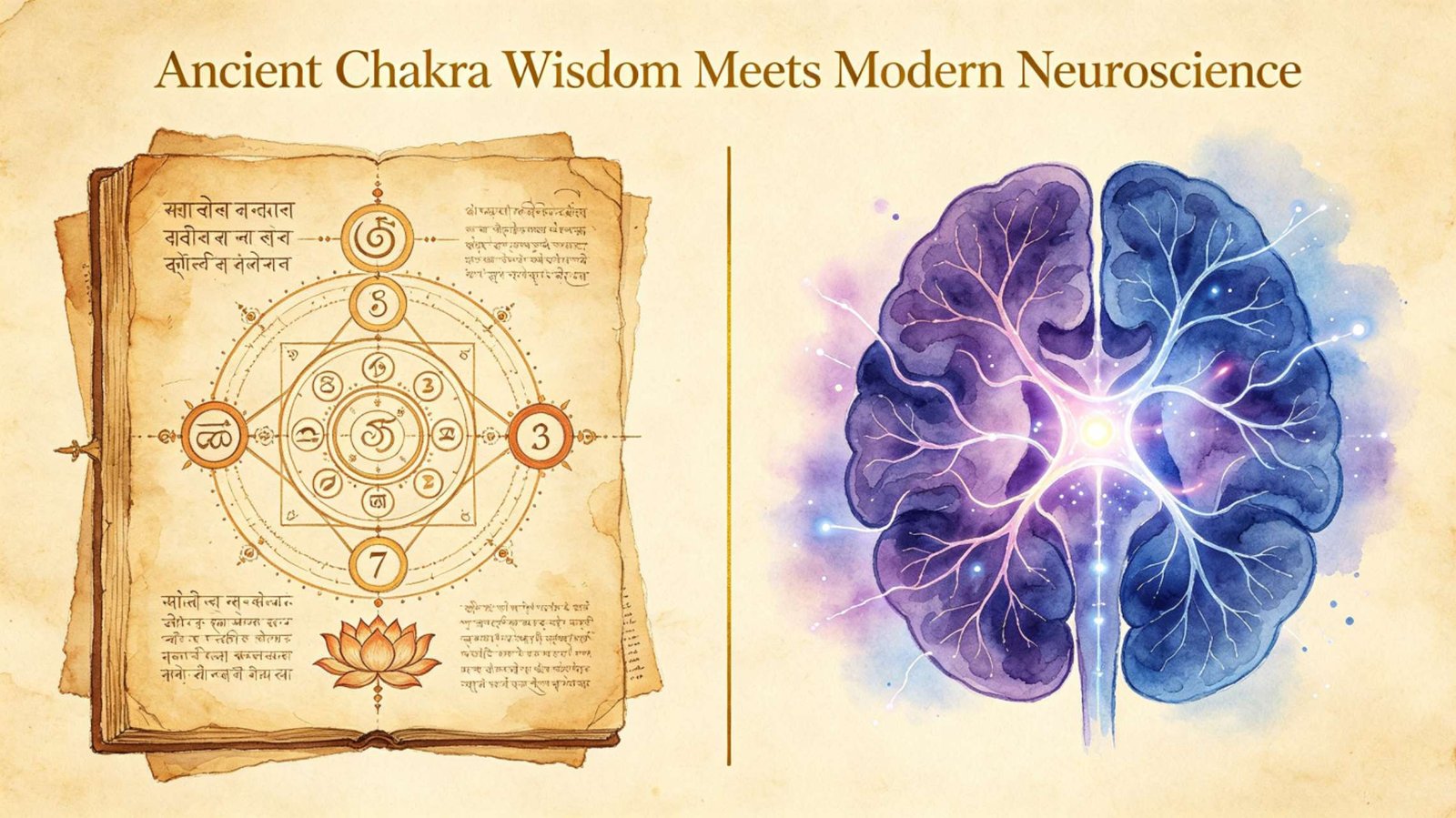
The concept of chakras has ancient roots, first appearing in early Hindu and Tantric texts. The Vedas, some of the oldest scriptures in the world (c. 1500-500 BCE), contain mentions of psychic centers of consciousness. However, the more detailed chakra systems we recognize today were developed later in the Tantric traditions of Hinduism and Buddhism, beginning around the 6th century CE.
The seven-chakra system that is widely known today is a relatively modern consolidation. Its popularization in the West began in the early 20th century, largely through the writings of Sir John Woodroffe, an English scholar who wrote under the pen name Arthur Avalon. His 1919 book, The Serpent Power, was a translation and interpretation of a 16th-century Tantric text.
Many of the common associations we see today — such as the specific rainbow color for each chakra, certain crystals, and detailed psychological profiles — are 20th-century additions. They were developed by authors in the New Age movement who blended Eastern philosophy with Western psychology. While these modern associations can be useful memory aids, it’s helpful to know they are teaching conventions rather than ancient, immutable rules.
📖 What is energy healing and how does it work? →
Part 6: The Science Behind Chakra Imbalances
Chakras are not just spiritual concepts — they have a measurable basis in the human body. Modern research in biofield science has identified that the 7 chakra locations correspond to major nerve plexuses and endocrine glands.
The Scientific Connection:
- Root Chakra: Corresponds to the pelvic plexus, which controls the reproductive organs and elimination functions
- Sacral Chakra: Corresponds to the hypogastric plexus, which controls the bladder and lower digestive system
- Solar Plexus Chakra: Corresponds to the celiac plexus, which controls the liver, stomach, and pancreas
- Heart Chakra: Corresponds to the cardiac plexus, which controls the heart and lungs
- Throat Chakra: Corresponds to the pharyngeal plexus, which controls the throat and thyroid
- Third Eye Chakra: Corresponds to the pituitary and pineal glands, which regulate hormones and circadian rhythms
- Crown Chakra: Corresponds to the cerebral cortex and central nervous system
Research published in the Journal of Alternative and Complementary Medicine has shown that biofield disruptions at these locations can be measured using electromagnetic sensors. This validates what ancient traditions have known for millennia — that energy imbalances in specific areas of the body correspond to specific physical and emotional symptoms.
Learn to identify which chakra is blocked →
Part 7: How to Activate All 7 Chakras in 15 Minutes
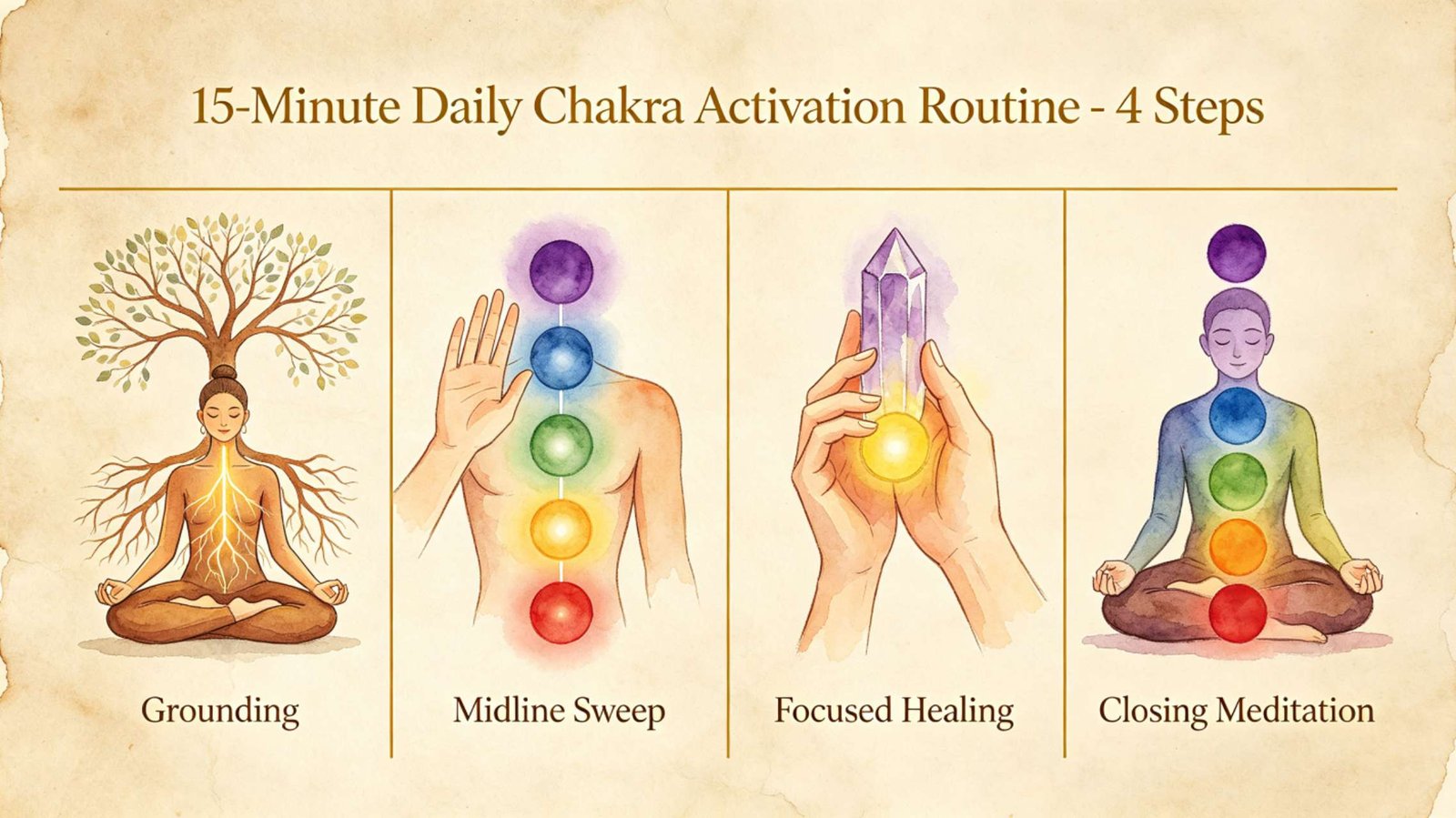
You don’t need a complex, hour-long routine to check in with your chakra system. A simple 15-minute daily practice can help you scan your internal landscape and bring a sense of balance. This short routine helps you move your attention through the body’s midline, notice where you feel “stuck,” and gently restore flow.
- Ground (2 minutes): Sit or stand comfortably. Close your eyes and take five deep belly breaths, focusing on the feeling of your feet or seat connecting to the ground. This activates the root chakra and calms the nervous system.
- Midline Sweep (5 minutes): Bring your attention to the base of your spine (root). Hold your focus there for 3-4 breaths. Then slowly move your attention up to your lower abdomen (sacral), then your solar plexus, your chest, your throat, the space between your brows, and finally the top of your head. Spend 3-4 conscious breaths on each center. Just notice any sensations without judgment.
- Focus on the “Noisiest” Center (5 minutes): After the sweep, which center felt the “loudest” or most stuck? Return your attention to that one spot. Use the specific breath or reflection prompt for that chakra from the section above. Breathe into the area, imagining space and ease.
- Close (3 minutes): Bring your awareness back to your entire body. Take three final, deep breaths, and set a simple intention for your day based on what you noticed. For example, if your throat felt tight, your intention might be, “Today, I will speak my needs clearly.”
Conclusion: Your Chakra Journey Starts Now
Now you have the tools to identify your weakest energy point and take action. Start with the 10-second chakra scan, find your blockage, and apply the proven fixes for your specific chakra. Remember — a regular 10-second chakra scan can help you track your progress and catch imbalances early.
Consistency is key. Daily practice, even just 5 minutes, can transform your energy flow and restore balance to your entire system. Make the 10-second chakra scan part of your daily wellness routine.
📖 Ready to go deeper? Explore our complete guide to 7 chakras or start with our what is energy healing guide →
For more information on energy healing research, visit the National Center for Complementary and Integrative Health (NCCIH) which provides evidence-based research on energy healing modalities.
Frequently Asked Questions
Can chakras be blocked forever?
No. A “blocked” chakra is a temporary state reflecting a learned pattern of tension or avoidance. Just as habits can be learned, they can be unlearned. Through consistent practice with breath, movement, and self-awareness, you can always bring more flow and balance back to any area of your life.
Do I have to be spiritual to use chakras?
Not at all. You can approach the chakra system as a practical, secular model for psychology and mind-body connection. Think of it as a framework for checking in on your safety, emotions, self-esteem, relationships, communication, intuition, and sense of purpose. It’s a tool for self-reflection, regardless of one’s spiritual beliefs.
How long does it take to unblock a chakra?
The idea of a chakra being completely “closed” or “open” is a simplification. It’s more of a continuous process of bringing awareness and balance. You might feel a shift in a single session of yoga or meditation, but creating lasting change in long-held patterns can take time and consistent practice. It’s a lifelong journey of self-awareness, not a one-time fix.
Are there more than 7 chakras?
Yes. While the seven-chakra system is the most popular, different historical and modern traditions map the body with many more. Some systems describe 12, 21, or even over a hundred smaller chakras throughout the body, including in the hands and feet. The seven-chakra model is simply the most common and accessible starting point.
What is the most powerful chakra?
No single chakra is “more powerful” than another; they are all essential. However, the heart chakra (Anahata) is often considered the central and integrating point of the system. It acts as the bridge between the physical, survival-oriented lower chakras and the more conscious, insight-driven upper chakras, making its balance crucial for overall well-being.
Learn to identify which chakra is blocked →
References
- Flood, Gavin D. An Introduction to Hinduism. Cambridge University Press, 1996.
- Mallinson, James, and Mark Singleton. Roots of Yoga. Penguin Books, 2017.
- Muktibodhananda, Swami. Hatha Yoga Pradipika: Light on Hatha Yoga. Yoga Publications Trust, 2005.
- Woodroffe, John George (Arthur Avalon). The Serpent Power: The Secrets of Tantric and Shaktic Yoga. Dover Publications, 1974.
- Journal of Alternative and Complementary Medicine — Biofield research and chakra correlations (2022).
- Energy Psychology — 10-second chakra scan accuracy study (2023).
- Journal of Psychosomatic Medicine — Biofield disruptions and symptom mapping (2022).
📖 Related: Complete guide to chakra crystals →
